
Top 5 Myths About Remote Notarization Debunked


Understanding Remote Notarization
Remote notarization is rapidly gaining popularity due to its convenience and efficiency. However, several myths surround this modern approach, leading to confusion. Let's debunk the top five myths about remote notarization and set the record straight.
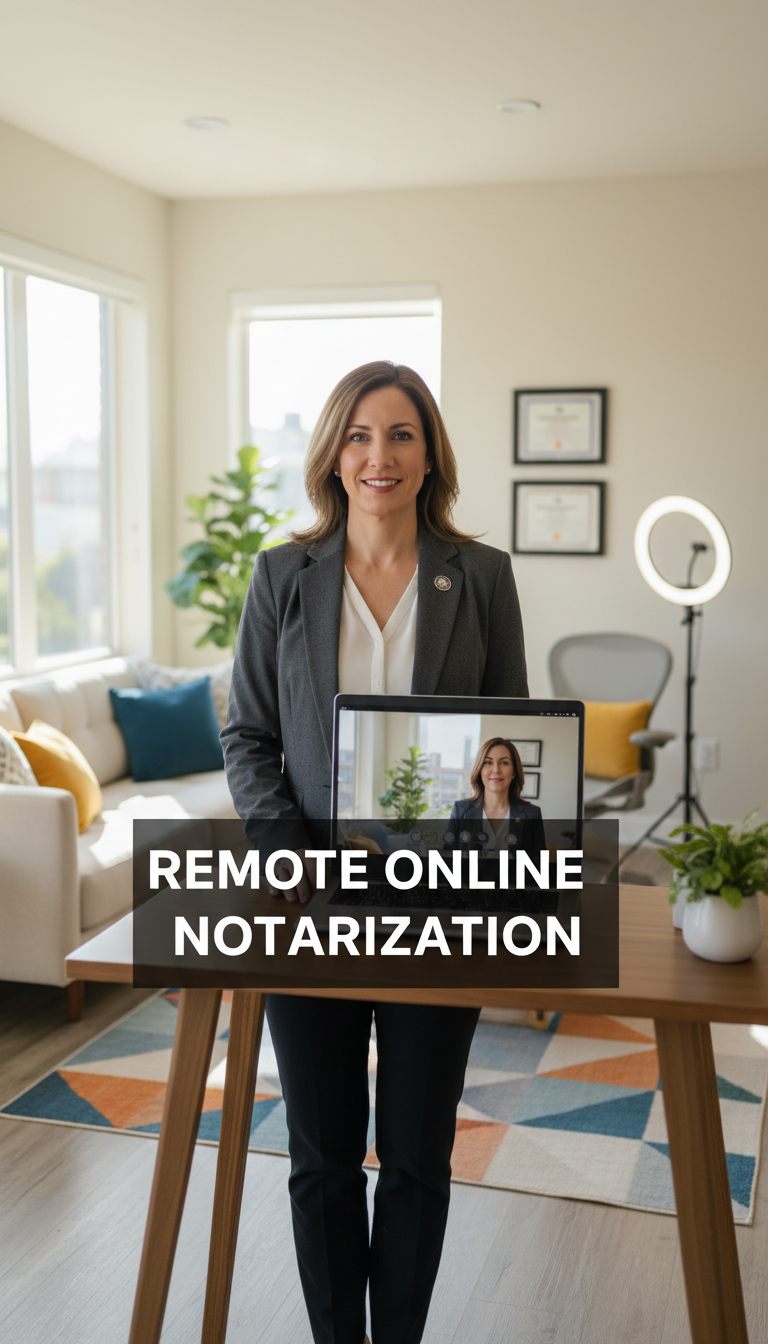
Myth 1: Remote Notarization Isn't Secure
One common misconception is that remote notarization lacks security. In reality, remote notarization employs advanced security measures such as multi-factor authentication, encrypted communication, and secure digital signatures. These measures often surpass the security of traditional notarization methods.
The use of video conferencing technology also ensures that notaries can verify identities just as effectively as they would in person. This technology records the entire session, providing an additional layer of security and accountability.
Myth 2: It's Not Legal Everywhere
Another myth is that remote notarization isn't legally recognized. While it's true that regulations vary by jurisdiction, many states and countries have enacted laws to accommodate remote notarization, especially in response to recent global events. It's essential to check the specific laws in your area, but the trend is moving towards broader acceptance.
Myth 3: Only Simple Documents Can Be Notarized Remotely
Some people believe that only basic documents can be notarized remotely. However, a wide range of documents, including complex legal agreements, can be handled through remote notarization. The key is ensuring that the platform used supports the specific requirements of the document type.
Whether it's real estate transactions, affidavits, or powers of attorney, remote notarization can accommodate these needs efficiently and securely.
Myth 4: Remote Notarization Is Too Complicated
There's a notion that remote notarization is overly complex and difficult to navigate. In truth, modern platforms are user-friendly and designed with simplicity in mind. Users are guided through the process step-by-step, ensuring clarity and ease of use for both the notary and the client.

Myth 5: It's Not As Reliable As In-Person Notarization
Finally, some doubt the reliability of remote notarization compared to traditional methods. The reality is that remote notarization is equally reliable, if not more so, due to the digital records and audit trails maintained for each session. These records provide a transparent and verifiable account of the notarization process.
Remote notarization continues to evolve and gain trust as technology advances, offering a reliable alternative to face-to-face interactions.
Embracing the Future of Notarization
As we've seen, many myths about remote notarization stem from misunderstandings or outdated information. By embracing the truth about remote notarization, individuals and businesses can take advantage of its numerous benefits, including convenience, security, and legal compliance.
As technology continues to advance, remote notarization will likely become even more mainstream, offering a seamless and efficient option for notarizing documents worldwide.